

Here’s something your doctor probably didn’t tell you: taking your blood pressure once at an appointment is like judging your fitness based on a single workout. One reading gives you a snapshot. A blood pressure chart gives you the whole story.
Think about it. Your blood pressure fluctuates throughout the day—morning coffee spikes it, afternoon stress elevates it, evening relaxation drops it. A single reading at your doctor’s office might catch you at your worst, or miss a serious pattern entirely. That’s why tracking matters.
I’m going to show you exactly how to use a blood pressure chart to monitor your readings over time, understand what those numbers actually mean, and spot trends before they become problems. Whether you’re managing hypertension or just want to stay on top of your health, this guide will make tracking simple and actually useful.
Why a Blood Pressure Chart Matters More Than You Think
Let me be straight with you: high blood pressure is called the silent killer for a reason. No symptoms, no warning signs, just quietly damaging your heart, arteries, kidneys, and brain over years. By the time you feel anything, significant damage has already occurred.
A blood pressure log isn’t just about numbers on paper. It’s about:
Pattern Recognition: One high reading could be stress. Five high readings in a row? That’s a trend your doctor needs to see.
Treatment Effectiveness: If you started medication three months ago, your BP tracking chart shows whether it’s actually working or if you need adjustments.
White Coat Syndrome Detection: Some people’s blood pressure spikes at the doctor’s office due to anxiety. A home blood pressure chart reveals your true baseline.
Early Warning System: Gradual increases over weeks or months signal problems before they become emergencies.
The data doesn’t lie. And when you bring a well-maintained blood pressure chart to your doctor, you’re giving them actionable intelligence instead of guesswork.
Understanding Blood Pressure Numbers
Before we dive into tracking, let’s make sure you actually understand what those two numbers mean. Because knowing is half the battle.
Systolic vs Diastolic: The Quick Version
Your blood pressure reading shows two numbers: systolic over diastolic (like 120/80).
Systolic (top number): Pressure in your arteries when your heart beats and pumps blood out. This is the peak pressure.
Diastolic (bottom number): Pressure in your arteries between heartbeats when your heart rests and refills. This is the resting pressure.
Both matter. High systolic means your heart is working too hard during beats. High diastolic means your arteries aren’t relaxing properly between beats. Either one being elevated is a problem.
Blood Pressure Ranges: What The Numbers Mean
| Category | Systolic | Diastolic | Action Needed |
| Normal | Less than 120 | Less than 80 | Maintain healthy lifestyle |
| Elevated | 120-129 | Less than 80 | Lifestyle changes, monitor closely |
| Stage 1 Hypertension | 130-139 | 80-89 | Lifestyle changes, possible medication |
| Stage 2 Hypertension | 140 or higher | 90 or higher | Medication likely, lifestyle changes |
| Hypertensive Crisis | Higher than 180 | Higher than 120 | EMERGENCY – Call 911 |
These ranges apply to most adults. Age, medical conditions, and other factors can shift what’s optimal for you specifically. Always consult your doctor about your target ranges.
How to Track Blood Pressure at Home: Step-by-Step
Alright, let’s get practical. Here’s exactly how to track blood pressure at home chart style, from equipment to execution.
Step 1: Get the Right Equipment
You need a validated home blood pressure monitor. Not all devices are created equal—some are junk that’ll give you wildly inaccurate readings.
What to look for:
• Upper arm cuff (more accurate than wrist monitors)
• Validated by organizations like the American Medical Association or dabl Educational Trust
• Automatic inflation (easier, more consistent)
• Memory storage for multiple readings
• Irregular heartbeat detection
Top recommendations include Omron Platinum, Withings BPM Connect, or Omron 10 Series. Budget option? Greater Goods or A&D Medical. Just make sure it’s validated.
Step 2: Take Readings Correctly
Technique matters. Bad technique = bad data = useless chart. Follow these rules:
Timing:
• Measure at the same times each day (morning before breakfast, evening before bed is standard)
• Avoid caffeine, exercise, or smoking for 30 minutes before
• Empty your bladder first (full bladder raises pressure)
• Rest quietly for 5 minutes before measuring
Position:
• Sit with back supported, feet flat on floor
• Arm supported at heart level on a table or desk
• Cuff on bare skin (not over clothing)
• Don’t talk or move during measurement
Multiple Readings:
• Take 2-3 readings, 1 minute apart
• Record all readings (or average them)
• First reading is often highest—this is normal
Step 3: Choose Your Tracking Method
You have options for your blood pressure log:
Paper Charts: Free printable blood pressure tracking log templates available from Heart.org, the American Heart Association, or the British Heart Foundation. Old school but effective.
Spreadsheets: Create your own Excel or Google Sheets tracker. Allows easy graphing and trend analysis.
Mobile Apps: Many BP monitors sync with smartphone apps automatically. Apps like BP Monitor, Heart Habit, or manufacturer apps (Omron Connect, Withings Health Mate) track for you.
Combination Approach: Use an app for convenience, but keep a printable BP chart as backup for doctor visits.
Step 4: Record Essential Information
Every entry in your BP tracking chart should include:
• Date and time
• Systolic pressure (top number)
• Diastolic pressure (bottom number)
• Heart rate (most monitors show this)
• Notes about circumstances (stressed, after exercise, missed medication, etc.)
The notes are crucial. If you see a spike, you want context. Did you just argue with your boss? Forget your medication? Have an extra cup of coffee? These details help identify patterns.
How Often Should You Track Blood Pressure Readings?
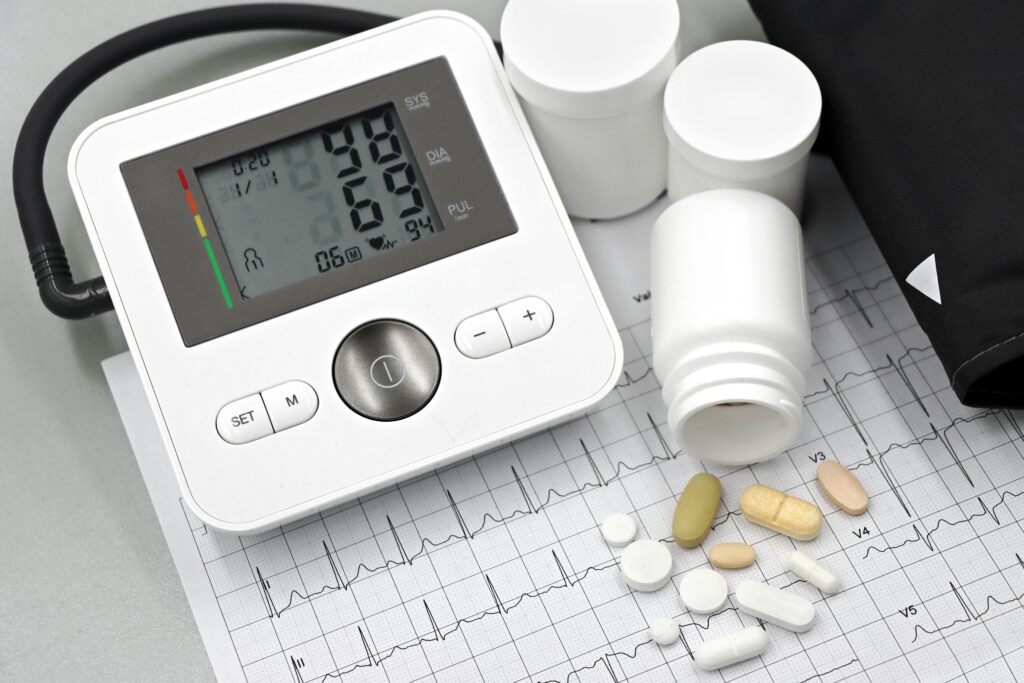
This depends on your situation:
Newly Diagnosed Hypertension: Daily for the first month, then 2-3 times per week once stable. This establishes your baseline and shows how treatment is working.
Established Hypertension on Medication: 2-3 times per week to ensure medication effectiveness and catch any changes.
After Medication Changes: Daily for 2 weeks to assess the impact of the change, then back to your regular schedule.
Monitoring for Risk Without Hypertension: Once per week or a few times per month is sufficient.
Pre-Doctor Appointment Prep: Daily for 5-7 days before your appointment to give your doctor recent, comprehensive data.
The key is consistency. Random occasional readings are less valuable than a regular schedule over time.
What Your Blood Pressure Trend Chart Tells You
Numbers alone are just numbers. Trends tell the real story. Here’s what to look for:
Morning vs Evening Patterns
Blood pressure naturally dips at night and rises in the morning. This is normal. But exaggerated morning surges can indicate higher cardiovascular risk.
If your morning readings are consistently 20+ points higher than evening readings, mention this to your doctor.
Gradual Increases Over Weeks/Months
Slow, steady increases suggest your hypertension is progressing or your current treatment isn’t sufficient. Even small upticks (5-10 points over several weeks) matter.
Wide Variability
If your readings vary on the tracking chart dramatically from day to day (120/80 one day, 155/95 the next, back to 125/82 the next), this labile hypertension can be as concerning as consistently high pressure.
High variability is associated with increased cardiovascular risk. Your doctor needs to see this pattern.
White Coat vs Masked Hypertension
Does a home blood pressure chart differ from doctor readings? Often, yes.
White Coat Hypertension: Your BP is elevated at the doctor’s office but normal at home. Anxiety about medical settings causes the spike.
Masked Hypertension: Normal at the doctor’s office, elevated at home. This is more dangerous because it often goes undiagnosed and untreated.
Home monitoring reveals the truth. If there’s a significant discrepancy between home and office readings, your home data is usually more representative of your actual cardiovascular risk.
Creating a Printable Blood Pressure Tracking Chart
Want a simple, effective tracking system? Here’s how to create a printable BP chart:
Option 1: Download Free Templates
• American Heart Association offers free PDF logs at Heart.org
• British Heart Foundation provides weekly blood pressure monitoring chart templates
• Many monitor manufacturers include printable logs with purchase
Option 2: Create Your Own
Use Excel or Google Sheets with these columns:
• Date
• Time
• Systolic (mmHg)
• Diastolic (mmHg)
• Pulse (bpm)
• Notes
Add conditional formatting to highlight readings outside your target range. Create a line graph to visualize trends over time.
Print a month’s worth of rows at a time and keep it near where you take your readings. Physical proximity increases compliance—if the chart is visible, you’re more likely to use it.
Mobile Apps vs Paper: Which Is Better?
Honestly? Both have advantages.
Mobile App Blood Pressure Tracker Benefits:
• Automatic data entry if your monitor has Bluetooth
• Instant graphs and trend analysis
• Reminders to take readings
• Easy sharing with doctors via email or app
• Cloud backup so you never lose data
Paper Chart Benefits:
• No batteries, no technology failures
• Immediate visual overview without opening an app
• Some people remember better when they write things down
• Easy to bring to doctor appointments (no phone, no problem)
My recommendation? Use a Bluetooth-enabled monitor with an app for convenience and automatic tracking, but print monthly summaries for your medical records and doctor visits. Best of both worlds.
What to Do With Your Blood Pressure Data
You’ve been diligently tracking for weeks or months. Now what?
Share It With Your Doctor
What does a blood pressure log chart tell my doctor? Everything they need to know about your cardiovascular health between appointments.
Bring your chart (printed or on your phone) to every appointment. Your doctor can:
• See if medication is working or needs adjustment
• Identify patterns and triggers
• Detect white coat or masked hypertension
• Make treatment decisions based on comprehensive data instead of one office reading
• Track long-term trends to assess cardiovascular risk
Look for Patterns Yourself
Don’t wait for your doctor to spot everything. Review your data weekly:
• Are certain times of day consistently higher?
• Do specific activities or stressors correlate with spikes?
• Is there an overall upward or downward trend?
• Are your readings stable or highly variable?
Know When to Seek Immediate Help
How long should I track readings before seeing a doctor? If you’re not currently under care for hypertension and you see multiple readings in the Stage 1 or Stage 2 range, schedule an appointment within 1-2 weeks.
Seek immediate medical attention if:
• Reading is 180/120 or higher
• High reading plus chest pain, shortness of breath, back pain, numbness, vision changes, or difficulty speaking
• Sudden severe headache with high reading
Don’t wait. Don’t track for another week. Call 911.
Best Blood Pressure Monitors for Home Tracking
Your tracking is only as good as your monitor. Here are 2026’s top validated devices:
Premium Pick: Omron Platinum Wireless – Bluetooth connectivity, app integration, 200-reading memory, highly accurate. Around 80 dollars.
Best Value: Greater Goods BP Monitor – Validated accuracy, irregular heartbeat detection, Bluetooth, data export. Around 40 dollars.
Most Features: Withings BPM Connect – WiFi and Bluetooth, unlimited cloud storage, sleek design, shares with multiple users. Around 100 dollars.
Dual User: Omron 10 Series – Two user profiles, 200 readings each, averages last three readings automatically. Around 65 dollars.
All of these are validated for accuracy and will give you reliable data for your blood pressure chart.
Frequently Asked Questions
How do I read a blood pressure chart accurately?
Look at both numbers together, not individually. Check where your reading falls in the categories (normal, elevated, Stage 1, Stage 2). Note trends over time rather than fixating on single readings. Look for patterns—time of day, before/after medication, stress levels.
What are normal blood pressure readings by age?
While BP tends to increase with age, the target for most adults is still under 120/80. For adults over 65, some doctors accept slightly higher targets (like 130-140 systolic) if aggressive lowering causes side effects. Always discuss your personal target range with your doctor based on your age, health conditions, and risk factors.
What if my readings vary on the tracking chart?
Some variation is normal—BP fluctuates throughout the day. But wild swings (30+ points difference from reading to reading) warrant medical attention. This could indicate labile hypertension, medication issues, or other health problems. Track the variability and show your doctor.
Can I download free blood pressure diary charts?
Yes. The American Heart Association, British Heart Foundation, and most BP monitor manufacturers offer free printable logs. Search for blood pressure diary template download or visit Heart.org for official templates.
The Bottom Line on Blood Pressure Tracking
Look, I get it. Adding another health task to your daily routine feels like a burden. But here’s the reality: tracking your blood pressure is one of the simplest, most effective things you can do to prevent heart attacks, strokes, and kidney disease.
A blood pressure chart isn’t just numbers on paper. It’s data. Intelligence. Power. When you walk into your doctor’s office with months of organized readings, you’re not a passive patient hoping for answers—you’re an active participant in your health care making informed decisions.
The equipment is affordable. The process takes three minutes, twice a day. The potential benefit? Literally life-saving.
Start today:
1. Get a validated home blood pressure monitor
2. Download or create your tracking chart
3. Measure at the same times daily
4. Record every reading with notes
5. Review your data weekly
6. Share it with your doctor regularly
That’s it. Six steps between you and comprehensive blood pressure management.
Your future self will thank you. Trust me on this one.